There are a few simple adjustments that can help to calm the uncomfortable reflux symptoms.
Find out some simple behavioral rules and nutritional tips.
NUTRITIONAL TIPS
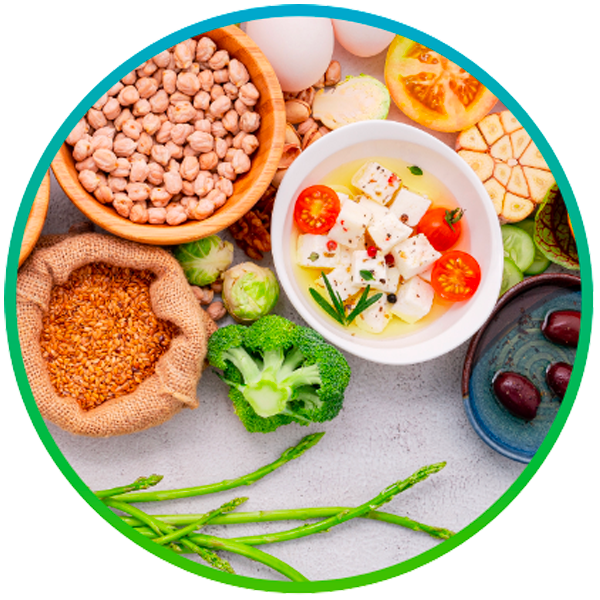
Gastroesophageal reflux and diet are closely connected: some foods can in fact increase the symptoms of reflux. A healthy and balanced diet can help in relieving the disorders associated with this disease.
Avoid large meals
Avoid large meals since they are related to distension of the gastric fundus and increased gastroesophageal reflux compared to smaller, more frequent meals.
Limit high-fat food
High fat diets, especially those which include fried or greasy foods, are hypothesized to worsen GERD symptoms: diets high in cholesterol and saturated fatty acids and high calories consumption throughout the day are associated with increasing the risk of reflux episodes. Of all dietary nutrients, cholesterol is the one that most increases intra-oesophageal acid reflux episodes in patients with gastroesophageal reflux disease.
Reduce salt consumption
It is advisable to reduce the consumption of table salt or particularly salty foods to reduce the risk of developing reflux symptoms.
Limit alcohol and coffee
Consider also recommended advice to moderate alcohol consumption and reduce coffee consumption in order to prevent reflux symptoms.

HEALTHY HABITS
Lifestyle modification has an important role in the treatment of gastroesophageal reflux disease (GERD). In order to front and mitigate gastroesophageal reflux it is essential to work on one's lifestyle: by following some practical suggestions and changing incorrect daily habits you will be able to cope with the discomfort caused by reflux symptoms.
Evening routine
Don't go to sleep immediately after eating, but always wait two or three hours to digest. Excessively short period between meals and sleep may enhance reflux episodes. It is therefore recommended to avoid lying down or going to sleep before a few hours after food intake in order to lessen recurrence of GERD episodes.
stress management
Limit the sources of stress, possibly with the help of relaxation techniques. Therefore, steps should be taken to reduce the stress and anxiety of patients with GERD so that their quality of life can be improved. For example, keeping the diaphragm exercised through breathing exercises could play an important role in selected patients to manage the reflux symptoms of GERD. Relaxation techniques can be supportive to traditional antireflux therapy in patients who experience an increase in symptoms during stress.
Smoking and weight in excess
It is recommended to limit tobacco smoking. Although there has always been debate regarding the association between smoking, alcohol, and various dietary factors in the development of GERD, there is good recent evidence that weight reduction and smoking restriction may be helpful in reducing GERD symptoms.
Head elevation during sleep
You can try to raise the headboard of your bed or use pillows to help digestion and to prevent reflux. Bed head elevation during sleep shown to reduce esophageal acid exposure which might lead to relief from heartburn and sleep disturbance.
Active lifestyle
An active lifestyle and mild physical activity is recommended to prevent GERD symptoms. However, it is advisable not to overdo the exercise, because too much physical activity is an important risk factor for the development of gastroesophageal reflux disease.